

 Image 1 of 1
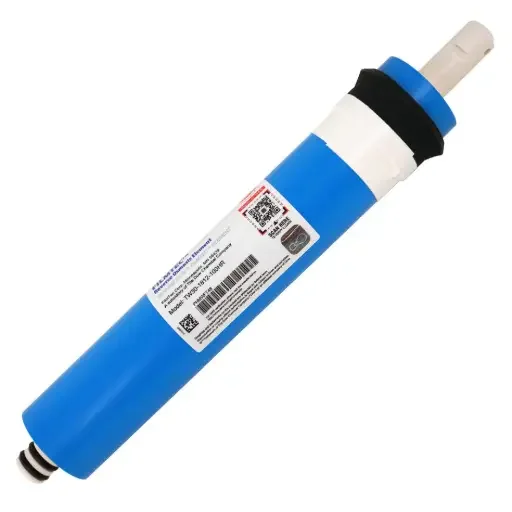
The Dow Filmtec TW30-1812-100HR is a 100-gallon-per-day thin-film composite (TFC) reverse osmosis membrane for hobbyists replacing a worn membrane in an existing RO or RO/DI system. It fits any standard pressure vessel sized for a 1.75in x 11.74in element, including IceCap RO systems and virtually every other brand using the common 2in x 12in housing format.
The membrane is rated at 96-98% TDS rejection and is tested and listed to NSF/ANSI Standard 58 for drinking water systems. It is rated at 50 PSI operating pressure, which means it produces approximately 20% more purified water per PSI than competing membranes rated at 60 PSI — a meaningful efficiency advantage for hobbyists managing waste water ratios.
Chlorine will destroy a TFC membrane. If your feed water is chlorinated municipal water, a carbon block pre-filter must be installed upstream of the membrane before putting this element in service. Actual production output will vary based on water temperature, feed pressure, and TDS levels.
100 GPD production rate at standard test conditions
96-98% TDS rejection rate
Fits standard 1.75in x 11.74in pressure vessels used in IceCap and most other RO systems
Rated at 50 PSI; produces more purified water per PSI than membranes rated at 60 PSI
NSF/ANSI Standard 58 listed for drinking water applications
Thin film composite (TFC) construction; requires chlorine-free feed water
Hobbyists replacing a spent or chlorine-damaged membrane in an existing RO or RO/DI system
Reef and freshwater aquarium keepers who need consistent low-TDS source water for top-off or water changes
Anyone upgrading from a lower GPD membrane and wanting more daily production from the same housing
Always run a carbon block pre-filter upstream of this membrane. Residual chlorine in municipal water will irreversibly damage the TFC membrane. Do not install this membrane without confirmed chlorine or chloramine removal upstream.
Flush the membrane before putting it in service. Run the RO system to drain for at least 30 minutes after installing a new membrane to flush manufacturing residues before directing output to your DI stage or aquarium.
Lower water temperature reduces production output. TFC membranes produce significantly less water in cold conditions. If your tap water runs cold in winter, expect reduced daily output and plan water change schedules accordingly.
Test TDS before and after the membrane on each water change. A TDS meter across the membrane is the fastest way to detect membrane degradation before it affects your aquarium. A rising post-membrane TDS reading is the signal to replace.
The Dow Filmtec TW30-1812-100HR is a 100-gallon-per-day thin-film composite (TFC) reverse osmosis membrane for hobbyists replacing a worn membrane in an existing RO or RO/DI system. It fits any standard pressure vessel sized for a 1.75in x 11.74in element, including IceCap RO systems and virtually every other brand using the common 2in x 12in housing format.
The membrane is rated at 96-98% TDS rejection and is tested and listed to NSF/ANSI Standard 58 for drinking water systems. It is rated at 50 PSI operating pressure, which means it produces approximately 20% more purified water per PSI than competing membranes rated at 60 PSI — a meaningful efficiency advantage for hobbyists managing waste water ratios.
Chlorine will destroy a TFC membrane. If your feed water is chlorinated municipal water, a carbon block pre-filter must be installed upstream of the membrane before putting this element in service. Actual production output will vary based on water temperature, feed pressure, and TDS levels.
100 GPD production rate at standard test conditions
96-98% TDS rejection rate
Fits standard 1.75in x 11.74in pressure vessels used in IceCap and most other RO systems
Rated at 50 PSI; produces more purified water per PSI than membranes rated at 60 PSI
NSF/ANSI Standard 58 listed for drinking water applications
Thin film composite (TFC) construction; requires chlorine-free feed water
Hobbyists replacing a spent or chlorine-damaged membrane in an existing RO or RO/DI system
Reef and freshwater aquarium keepers who need consistent low-TDS source water for top-off or water changes
Anyone upgrading from a lower GPD membrane and wanting more daily production from the same housing
Always run a carbon block pre-filter upstream of this membrane. Residual chlorine in municipal water will irreversibly damage the TFC membrane. Do not install this membrane without confirmed chlorine or chloramine removal upstream.
Flush the membrane before putting it in service. Run the RO system to drain for at least 30 minutes after installing a new membrane to flush manufacturing residues before directing output to your DI stage or aquarium.
Lower water temperature reduces production output. TFC membranes produce significantly less water in cold conditions. If your tap water runs cold in winter, expect reduced daily output and plan water change schedules accordingly.
Test TDS before and after the membrane on each water change. A TDS meter across the membrane is the fastest way to detect membrane degradation before it affects your aquarium. A rising post-membrane TDS reading is the signal to replace.